

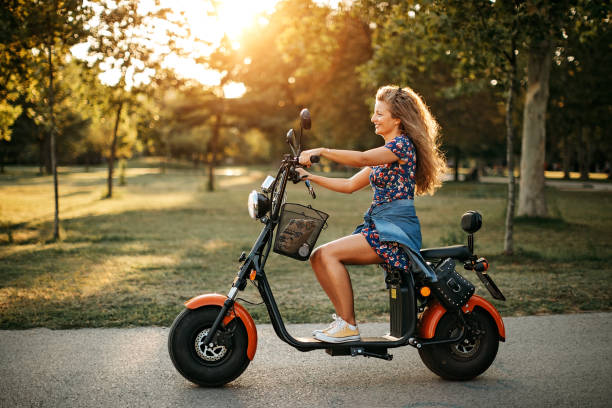
A commuter ebike can provide a practical alternative for everyday transportation, particularly for people who travel to work, school, shops, or other nearby destinations. Electric assistance can make cycling more manageable by reducing the physical effort required for hills, longer distances, and frequent stops.
However, not every electric bike is designed for the same purpose. Choosing the right commuter ebike requires consideration of battery range, motor performance, comfort, tires, braking, storage, maintenance, and local regulations.
What Is a Commuter Ebike
A commuter ebike is an electric bicycle designed primarily for regular transportation. Unlike an electric bike intended mainly for recreational riding, a commuter model typically emphasizes practicality and everyday usability.
Depending on the model, useful commuter features can include:
- Electric pedal assistance
- Comfortable riding geometry
- Integrated or compatible lights
- Multiple gears
- Reliable brakes
- Practical battery capacity
- Rack compatibility
- Fenders
- Durable tires
The ideal configuration depends on your route and daily transportation needs.
Advantages of Using a Commuter Ebike
- Electric Assistance Reduces Riding Effort
One of the main advantages of an electric bike is motor assistance. For riders who prefer a compact design, the electric mini bike collection offers options for convenient local riding.
Instead of relying entirely on leg power, the rider can use electric assistance when traveling uphill, dealing with strong winds, or covering longer distances.
This can make regular cycling more approachable for people who find traditional bicycle commuting physically demanding.
- Practical for Daily Travel
A commuter ebike can be used for more than traveling to work.
Suitable everyday trips may include:
- Grocery shopping
- Local errands
- Visiting friends
- Traveling to appointments
- Commuting to work
- Traveling to nearby businesses
Using one bicycle for several types of trips can make an e-bike a versatile transportation option.
- Useful for Longer Commutes
A long distance electric bike can make longer cycling routes more manageable.
Battery capacity is particularly important for commuters who travel significant distances. The actual range depends on factors such as rider weight, speed, terrain, weather, tire pressure, and assistance level.
It is best to plan around realistic riding conditions rather than relying entirely on a manufacturer’s maximum advertised range.
- Support on Hills
Hills can be one of the biggest challenges during traditional bicycle commuting.
Electric assistance can provide additional support during climbs, allowing riders to maintain a more manageable pace.
This can be especially useful for commuters whose routes include multiple hills or long inclines.
- Flexible Physical Effort
A commuter ebike allows riders to adjust how much effort they want to provide.
On an easy section of the route, a rider may use less assistance and pedal more actively. During difficult sections, higher assistance can reduce the required effort.
This flexibility is one of the reasons electric bicycles can work well for everyday transportation.
Step 1 Determine Your Daily Distance
Start by measuring the distance of your normal commute.
Consider both the one-way and round-trip distance. If your commute is 10 miles each way, for example, you need to consider the full 20-mile journey when evaluating battery requirements.
Also think about additional trips you might make during the day.
A rider who travels directly between home and work has different battery requirements from someone who also visits shops, restaurants, or other locations.
Step 2 Evaluate Battery Capacity
Battery capacity is one of the most important specifications for a commuter ebike.
Larger capacity can provide more potential range, but real-world performance varies.
Battery consumption can increase with:
- Higher speeds
- Greater rider weight
- Heavy cargo
- Steep hills
- Strong wind
- Low temperatures
- Higher assistance levels
- Frequent acceleration
For daily commuting, choose a battery configuration that provides enough practical range for your regular route while leaving some reserve.
Step 3 Choose the Appropriate Motor
Motor performance affects how an electric bike handles hills, acceleration, and heavier loads.
However, more motor power is not automatically better.
Consider the conditions you encounter regularly. A relatively flat urban commute may require less assistance than a route with steep hills.
You should also check the applicable legal limits for electric bicycles in your area.
Step 4 Select the Right Tire Type
Tire selection can influence comfort, traction, rolling resistance, and handling.
Standard Commuter Tires
Narrower tires may be appropriate for riders who primarily travel on smooth paved roads.
Fat Tires
A fat tire ebike uses wider tires and can provide a stable riding feel on suitable uneven or mixed surfaces.
Fat tires can be useful for riders who encounter:
- Rough pavement
- Compact gravel
- Dirt paths
- Uneven roads
However, wider tires may add weight and rolling resistance. If most of your commute takes place on smooth pavement, a narrower configuration may be more efficient for your particular needs.
Step 5 Prioritize Riding Comfort
A commuter ebike should be comfortable enough for repeated daily use.
Pay attention to:
- Saddle
- Handlebar position
- Frame size
- Riding geometry
- Grips
- Tire pressure
- Suspension
An uncomfortable bike can become frustrating when used every day, even if its motor and battery specifications are impressive.
Correct saddle height and handlebar adjustment can also make a substantial difference.
Step 6 Consider Braking Performance
Reliable braking is essential for everyday transportation.
Urban commuting may involve:
- Cars
- Pedestrians
- Intersections
- Sudden stops
- Downhill sections
- Wet roads
Choose an electric bike with a braking system appropriate for its weight and performance.
Regularly inspect brake pads, rotors, cables, or other components depending on the system.
Step 7 Look at Gear Options
Gears can help riders manage different terrain.
Multiple gears allow the rider to select an appropriate mechanical gear for hills, flat roads, and other conditions.
For commuters traveling through varied terrain, a multi-speed drivetrain can provide additional flexibility.
Step 8 Consider Storage Options
A commuter often needs to transport more than a recreational rider.
You might need space for:
- Laptop
- Work clothes
- Lunch
- Groceries
- Water
- Personal belongings
A compatible rear rack, pannier, basket, or storage bag can make an electric bike more practical for everyday transportation.
Always check compatibility before installing accessories.
Step 9 Think About Lighting and Visibility
Visibility is important for commuters who travel early in the morning, during evening hours, or in poor weather.
Depending on the bike and local requirements, useful equipment can include:
- Front light
- Rear light
- Reflectors
- Reflective clothing
- Mirrors
Check local regulations to determine which equipment is required.
Step 10 Consider a Fat Tire Ebike for Mixed Routes
A fat tire ebike may be appropriate if your commute includes different surface types.
For example, your route might combine paved roads with compact gravel or uneven paths.
Wide tires can provide a stable riding feel in certain conditions. However, riders should make sure the route permits electric bikes and that the bike is appropriate for the surfaces involved.
Step 11 Compare OUXI Electric Bikes
OUXI offers electric bike configurations aimed at different types of riding.
For commuters who also want recreational versatility, an OUXI electric bike with a fat tire configuration may be worth considering.
The OUXI V8, for example, is designed as a fat tire electric bike and can appeal to riders who want an electric bicycle for commuting and suitable recreational use.
When comparing an OUXI bike, review the exact specifications of the model rather than assuming all models have the same battery, motor, dimensions, or equipment.
Step 12 Consider Long-Term Maintenance
A commuter ebike will usually accumulate more mileage than a bicycle used only occasionally.
Regular maintenance should therefore be part of your buying decision.
Inspect:
- Tires
- Brakes
- Chain
- Gears
- Wheels
- Pedals
- Battery connections
- Electrical cables
- Suspension components
Replacing worn components before they become major problems can help keep the bike dependable.
Step 13 Check Replacement Parts
Before purchasing, investigate whether compatible replacement components are available.
Common replacement items include:
- Tires
- Inner tubes
- Brake components
- Chains
- Pedals
- Drivetrain parts
If you own an OUXI V8, for example, verify compatibility carefully when purchasing OUXI V8 parts.
Electrical components should only be replaced with appropriate compatible parts.
Step 14 Consider Bike Weight
Electric bikes can be heavier than conventional bicycles.
This matters if you need to:
- Carry the bike upstairs
- Store it indoors
- Load it into a car
- Move it through a building
- Transport it using a bicycle rack
A heavier fat tire ebike may provide advantages for certain riding conditions but can be less convenient to move manually.
Step 15 Check Your Storage and Charging Setup
Think about where the bike will be stored and charged.
Ideally, the battery should be charged according to the manufacturer’s instructions in an appropriate location.
If you live in an apartment or shared building, consider whether you have convenient access to a safe charging and storage area.
Step 16 Understand Local E-Bike Regulations
Electric bike regulations can vary considerably.
Depending on your location, rules may address:
- Motor power
- Maximum assisted speed
- Rider age
- Helmet use
- Bicycle lanes
- Multi-use paths
- Road access
- Registration
- Required equipment
Before purchasing a commuter ebike, make sure the model is appropriate for the places where you intend to ride.
Step 17 Calculate Your Overall Budget
The purchase price is only one part of the total cost.
You may also need:
- Helmet
- Lock
- Lights
- Rack
- Storage bags
- Replacement tires
- Maintenance
- Brake components
- Security equipment
Consider the total ownership cost rather than choosing a bike based solely on its initial price.
Step 18 Test Your Practical Route
If possible, evaluate your normal route before purchasing.
Look at:
- Distance
- Hills
- Road surfaces
- Traffic
- Bike lanes
- Charging opportunities
- Secure parking
- Weather conditions
This can help you determine whether you need a long distance electric bike, a standard commuter model, or a fat tire configuration.
Commuter Ebike vs Traditional Bicycle
A traditional bicycle requires the rider to provide all of the pedaling effort.
A commuter ebike adds electric assistance, which can be useful for longer routes and hills. However, an e-bike is generally heavier and requires battery charging and additional electrical-system maintenance.
The right choice depends on your fitness, commute, budget, route, and personal preferences.
Final Thoughts
Choosing the right commuter ebike involves more than comparing motor power and battery size. A practical everyday electric bike should match your commute, body size, terrain, storage situation, and transportation requirements.
Consider battery range, motor performance, tire type, braking, comfort, gears, accessories, maintenance, and local regulations before purchasing.
For riders traveling on mixed surfaces, a fat tire ebike may provide the stability they want. For primarily paved commutes, a lighter commuter-focused configuration may be more appropriate.
An OUXI electric bike can also be considered by riders looking for a combination of commuting and recreational capabilities. The most important step is to compare the exact model specifications with your daily needs.
When the bike fits your route, riding style, and practical requirements, electric assistance can make everyday transportation more flexible and manageable.